What to Expect When Installing Solar Panels in Connecticut

Synergy • September 30, 2026

You may already know solar makes sense for your home. The next question is what happens after you ask for a quote. Will crews be on your roof for weeks? Do you need to call the town yourself? Who handles Eversource or United Illuminating? Those are normal questions, especially if this is your first time looking at solar.


This guide walks through the solar installation process for Connecticut homeowners, from the first consultation to power-on. Synergy Electrical Contracting is a Middletown, CT-based licensed electrical contractor with more than 25 years of experience. We install solar with in-house Connecticut crews and licensed electricians, using the same process for homes across the state.


How the Solar Installation Process Works in Connecticut


Going solar has two parts moving at the same time. One is the work on your home, including design, equipment, roof layout, and electrical wiring. The other is the paperwork, including town permits and utility interconnection. Synergy handles both. You answer a few questions, review the proposal, choose a date, and stay available while we move the project forward.


  1. Free consultation. We review your electric bills, talk through your goals, and give you a starting point. Some homeowners are focused on monthly bill savings. Others are planning for backup power, an EV charger, or a future heat pump.
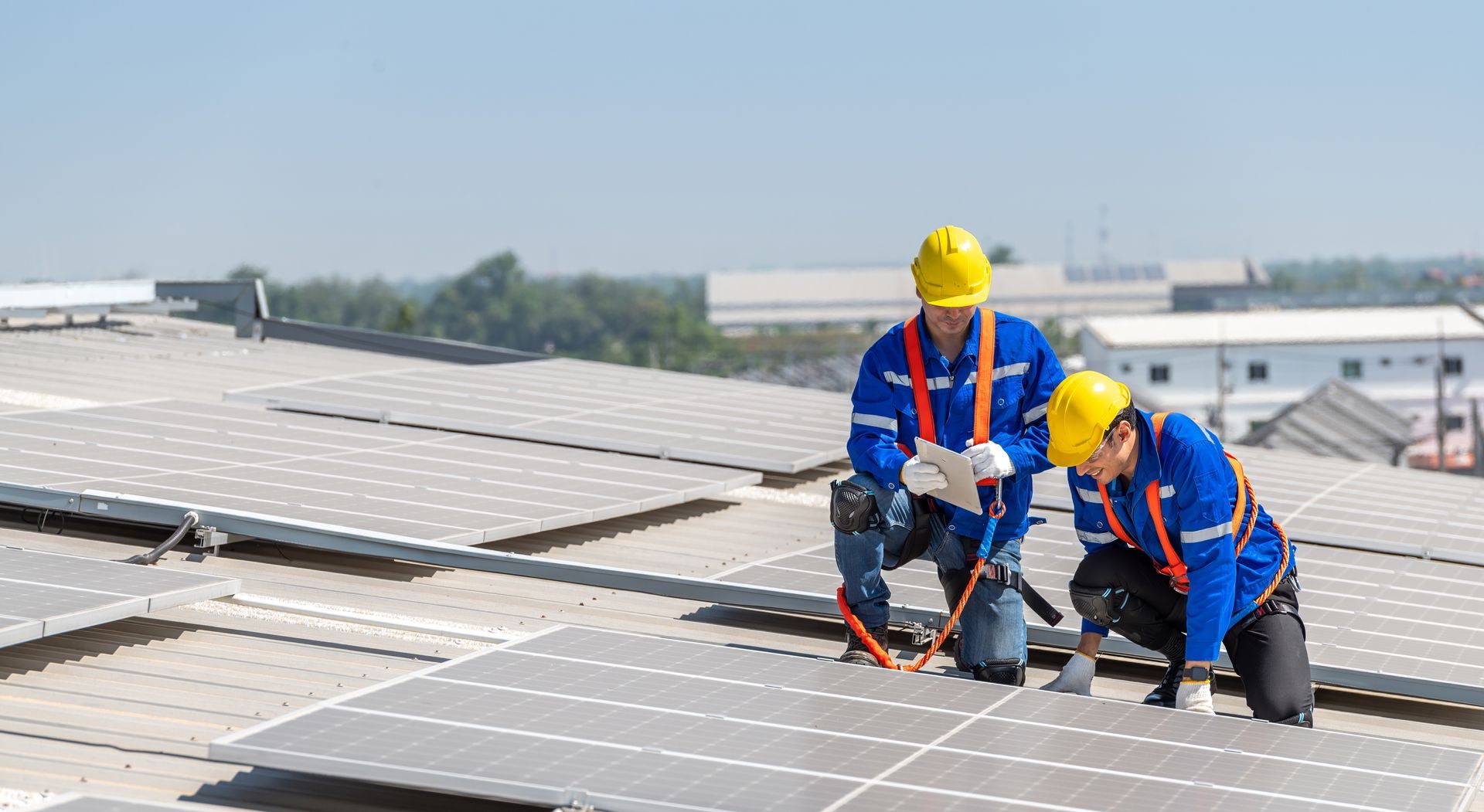
  2. Site assessment. We look at your roof age, roof condition, sun exposure, shading, attic structure, and electrical panel. If your home may need roof work or an electrical panel upgrade, we flag that early.
  3. Custom design and proposal. This is where the system size, panel layout, inverter setup, optional battery, production estimate, and pricing come together. Financing options like the Smart-E Loan can also be reviewed here. For some homeowners, Smart-E can help finance more than solar panels. Eligible upgrades can include battery storage, heat pumps, EV charging stations, roof repair tied to a solar project, and related electrical work when connected to an eligible upgrade.
  4. Contract and financing. Once you approve the design and choose a payment option, Synergy orders the equipment and starts the next steps.
  5. Permits. We file the building and electrical permits with your town. Connecticut has 169 towns, and each one can handle permits a little differently.
  6. Utility interconnection application. We submit the interconnection application to Eversource or United Illuminating, depending on your electric utility. This is the utility review that allows your solar system to be safely connected to the grid. Eversource and UI both have interconnection processes, and Synergy manages that paperwork for you.
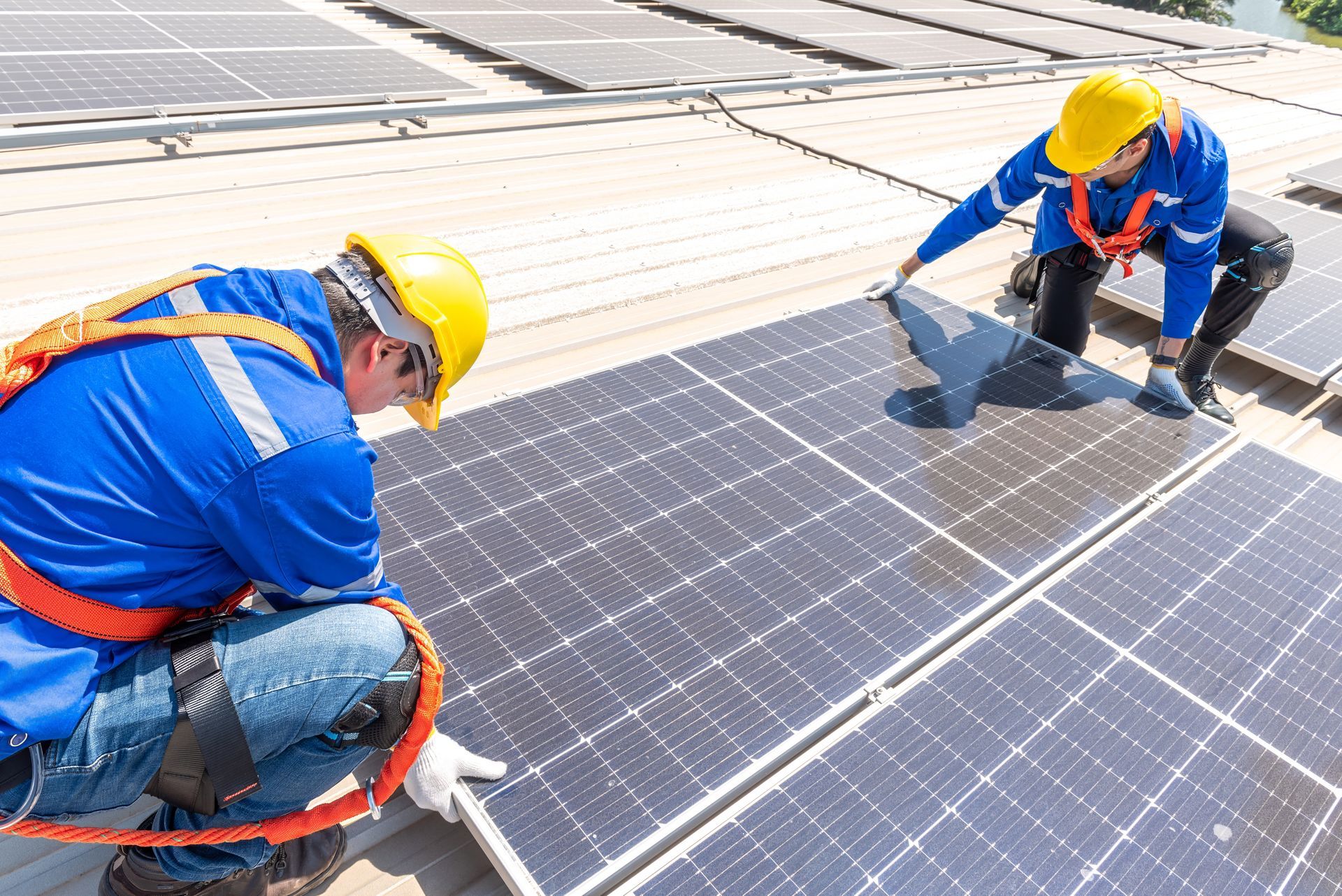
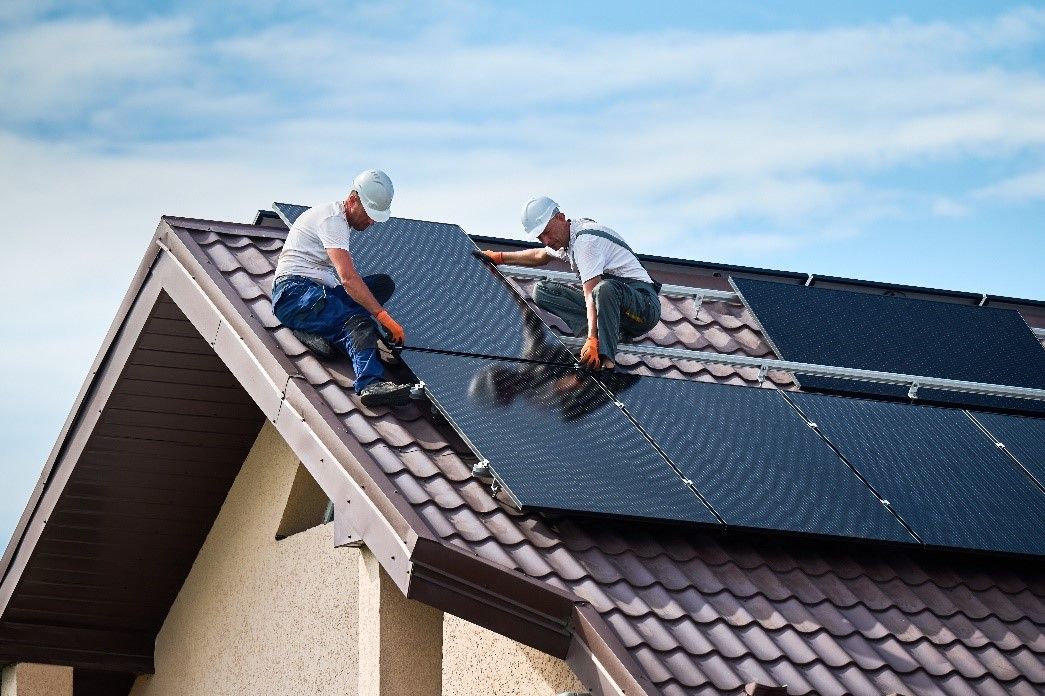
  7. On-site installation. Once permits, equipment, and utility steps are ready, the physical installation is usually the short part of the project. Many standard home installs take about 1 to 2 working days on site, but the full timeline from contract to power-on still depends on town permits, utility review, inspection, meter work, and Permission to Operate.
  8. Town inspection. The building or electrical inspector checks the work and signs off.
  9. Utility closeout and meter work. We send the final paperwork to the utility. The utility completes the meter step and issues Permission to Operate.
  10. Power on and monitoring. Synergy turns the system on, sets up your monitoring app, and walks you through how to use it.


Synergy technician performing a solar site assessment at a CT home


How Long Does Solar Installation Take in Connecticut?


Most projects take a few months from signed contract to power-on. The roof and electrical work may only take a short time on site, but the full process also includes design, permits, utility review, inspection, meter work, and Permission to Operate. Eversource says typical residential solar projects can take three to four months to complete the full process and receive PTO, though every project is different.


The timing can vary by town and utility. Eversource serves much of Connecticut, while United Illuminating serves parts of the New Haven and Bridgeport areas. Synergy works with both utilities. Permits and utility approval often move at the same time, but the project still has to wait for each required step before the system can be turned on.


A newer roof, a 200 amp panel, and a standard system can help the process move more smoothly. An older roof, a 100 amp panel that needs upgrading, historic district review, or town and utility backlogs can add time. We look for those issues during the site assessment so you are not surprised later.


What Happens on Installation Day


On installation day, the crew arrives, protects the driveway and work areas, mounts the racking, sets the panels, runs conduit, and connects the inverter and electrical equipment. If the project includes a battery or other electrical work, that may happen around the same project window. Power is usually off only for a short period while the system is tied into the main panel.


You do not have to do much. It helps to keep pets inside, clear the driveway, and stay reachable by phone. You can expect some drill noise while the crew is working. Before leaving, the crew cleans up and shows you the shutoff and inverter. The system is still not turned on at this point. It has to pass inspection and receive utility Permission to Operate first.


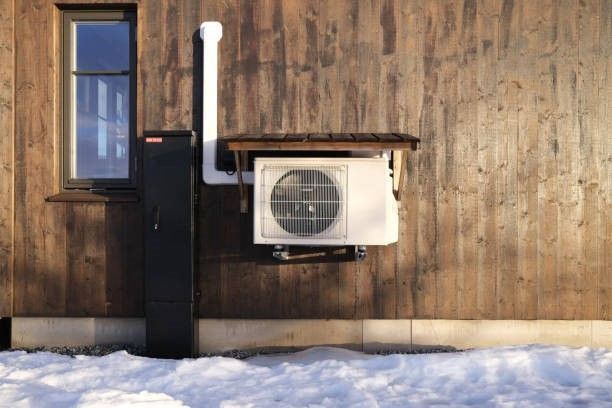
Completed rooftop solar installation with bi-directional RRES meter in Connecticut


Why Connecticut Homeowners Go Solar and Why the Installer Matters


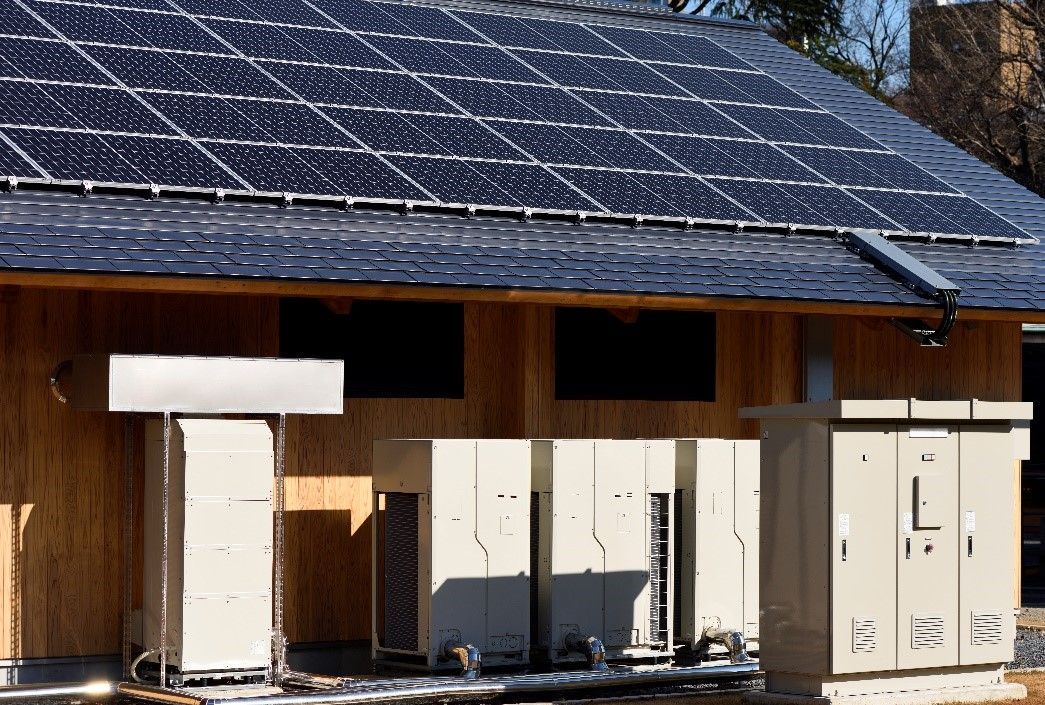
Connecticut electric rates are one reason many homeowners look at solar. The state’s Residential Renewable Energy Solutions program gives residential solar owners a way to be credited for the power their systems produce and send to the grid. PURA describes RRES as a statewide program administered by Eversource and United Illuminating.


Solar can also fit with other home upgrades. A battery can help during outages when paired with the right setup. Connecticut’s Energy Storage Solutions program provides incentives for battery storage and is administered through Connecticut Green Bank, Eversource, and UI. Solar can also work well with an EV charger or a heat pump if you are planning future electric upgrades.


The installer matters because a solar system becomes part of your home for years. Synergy is based in Connecticut and uses in-house, local Connecticut crews and licensed electricians rather than sending the job to a third-party subcontractor. The same team can help with solar, battery storage, EV chargers, panel upgrades, heating, and cooling, so you have one company to call before, during, and after the installation.


When Should You Start the Solar Process in Connecticut?


The best time to start is a few months before you want the system running. Since permits and utility approval usually take longer than the roof work itself, it helps to begin early. A homeowner who starts in late winter may be ready for strong spring and summer production. A homeowner who waits until midsummer may not be switched on until later in the year.


Spring and early summer can be busy for towns, utilities, and installers. Late fall and winter can be a good time to begin because paperwork may move more smoothly, and the system can be ready before peak production months. Synergy installs year-round when the roof is safe to work on. The process is the same whenever you start, and we handle the steps for you.


Ready to See What Solar Looks Like on Your Home?


Synergy Electrical Contracting can show you what solar could look like on your home, how the process works, and what steps come next. We handle permits, utility paperwork, and installation with licensed CT electricians from our Middletown office. Call (860) 222-0958 or schedule a free consultation online.


Solar Installation FAQs for Connecticut Homeowners


  • How long does it take to install solar panels in Connecticut?

    Most projects take a few months from contract to power-on, but the timeline varies by town, utility, and project details. The on-site installation is usually much shorter than the full process. Permits, inspection, meter work, and Permission to Operate are what make the overall timeline longer.

  • Do I need to handle permits or contact Eversource myself?

    No. Synergy files town permits and the interconnection application with Eversource or United Illuminating, depending on your utility. We manage the process through inspection, utility closeout, meter work, and Permission to Operate.

  • Will my power be shut off during installation?

    Only briefly. The power may be shut off while the electricians connect the system to your main panel. The crew will explain this before that part of the work happens.

  • Can solar be installed in winter in Connecticut?

    Yes. Solar can be installed year-round when the roof is safe to work on. Winter starts may also move through permitting faster than busy spring and summer periods.

  • Do I need a new roof before going solar?

    Not always. If your roof is near the end of its life, it usually makes sense to replace it before installing panels. Synergy checks roof condition during the site assessment and will tell you what makes sense.

  • Can I add a battery, EV charger, heat pump, roof work, or panel upgrade at the same time?

    Often, yes. Because Synergy is an electrical and HVAC contractor, these upgrades can often be planned together. Smart-E financing may also allow eligible upgrades, such as solar, battery storage, heat pumps, EV charging, roof work tied to solar, and related electrical work, to be included in one project financing conversation.


Questions?  Contact Us


Have questions or need a quote? The Synergy team is here to help—reach out today and let’s get started!


- or -

Call our Specialists

(860) 222-0958

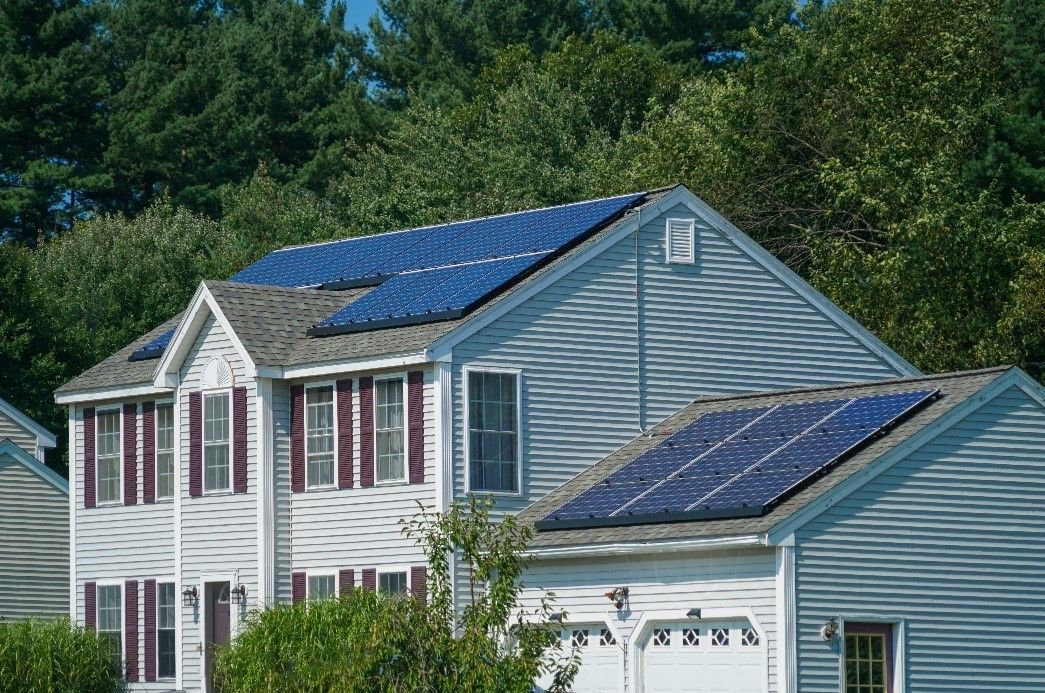
Solar powered homes in CT
Comparing heat pumps vs furnaces
By Elizabeth Longo • September 5, 2025
Explore the crucial considerations when choosing between heat pumps and furnaces. Contact Synergy for help determining the best heating system for your home.
Understanding the One Big Beautiful Bill and CT Solar and Energy
By Elizabeth Longo • August 1, 2025
The One Big Beautiful Bill Act may reduce incentives for residential solar energy systems. Contact Synergy for an installation or more details.
house with solar panel in Connecticut
By Elizabeth Longo • July 11, 2025
Learn what you need to know before installing solar panels at home. Contact Synergy for residential solar panel installation in Connecticut.
Two men are working on a roof in CT with a solar panel
By Elizabeth Longo • May 16, 2025
Discover how installing solar panels in the summer can maximize your savings. Contact Synergy to learn more about our solar energy solutions.
Solar battery storage units installed outside a house
By Elizabeth Longo • May 7, 2025
Discover why solar battery storage is a worthwhile investment in Connecticut. Contact Synergy to learn more and start saving on energy costs.
Outdoor air conditioner unit with ivy plants growing beside it | Energy-Efficient HVAC
By Elizabeth Longo • April 1, 2025
Learn how energy-efficient HVAC systems promote a greener future. Contact Synergy to find the ideal heating and cooling solution for your home!
Roof in CT With Solar Panels | Solar Power for Your Home
By Synergry • February 4, 2025
Explore 4 key advantages of choosing solar power for your home with Synergy. Contact us to learn more about our residential solar solutions.
Contractor Installing Solar Panels on Roof | Switch to Solar Power
By Synergy • February 4, 2025
Switch to solar power for businesses to save money and increase sustainability. Discover the key benefits and how Synergy can assist you.